


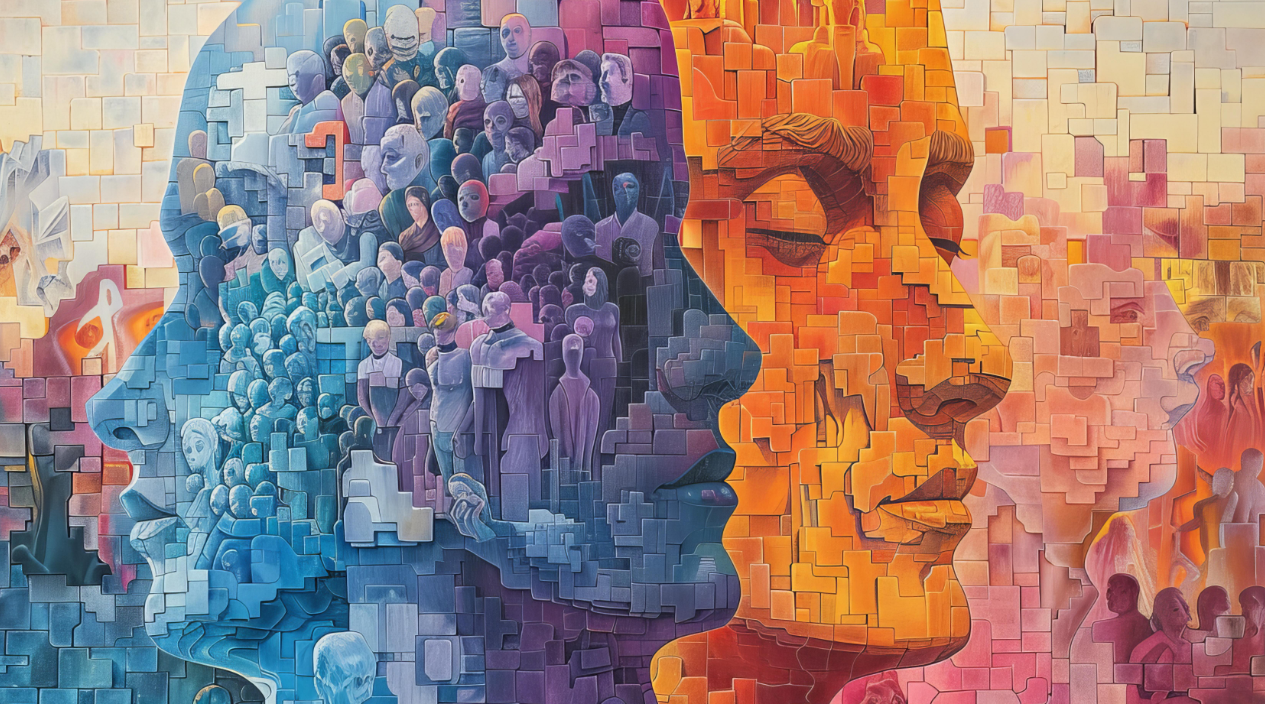
Every brand tells a story, but not all stories feel memorable. Some brands move us because they reflect our own motivations, fears, and values. This human psychology forms the foundation of the brand archetype system — a framework that helps companies express authentic personalities and connect deeper with their audiences.
Whether you’re just starting your creative business or reimagining your established identity, aligning your brand with an archetype transforms how customers perceive you. Let’s explore the twelve classic archetypes — from the friendly Everyman to the rebellious Outlaw — and how each shapes a brand’s voice, visuals, and strategy.
Take the Brand Archetype Test
Below is a Brand Archetype Test you can use on your website or in a client workbook. It’s a simple, structured self-assessment that helps participants discover which of the 12 brand archetype best represents their brand personality.
Instructions
Read each question carefully and choose one answer per row that feels most aligned with your brand’s values, behavior, and tone.
When finished, count which letter appears most often—that’s your dominant archetype. Record your top three for a more nuanced brand personality blend.
1. What values drive your brand most strongly?
a. Tradition and reliability
b. Ambition and power
c. Love and emotional connection
d. Safety and care
e. Knowledge and wisdom
f. Freedom and adventure
g. Creativity and innovation
h. Optimism and simplicity
i. Joy and humor
j. Transformation and growth
k. Courage and determination
l. Independence and change
2. How does your brand usually solve problems?
a. It provides trusted, time‑tested solutions to challenges.
b. Leadership and decisive action help set a clear direction forward.
c. The brand focuses on building meaningful relationships to create impact.
d. Providing help and offering support come naturally in this approach.
e. Insightful thinking and informed analysis guide decisions.
f. Exploration of new opportunities or alternative paths sparks innovation.
g. Original ideas and creative designs generate fresh solutions.
h. Simplifying processes while promoting clarity ensures understanding.
i. Fun and lighthearted experiences make problem-solving enjoyable.
j. Challenges become opportunities for meaningful transformation.
k. Confidence, motivation, and encouragement drive action.
l. The brand reshapes norms, breaking boundaries and redefining the status quo.
3. What promise does your brand make to its audience?
a. Dependability and honesty
b. Stability and achievement
c. Love and intimacy
d. Protection and compassion
e. Enlightenment and truth
f. Freedom and discovery
g. Originality and creativity
h. Joy and integrity
i. Entertainment and pleasure
j. Change and empowerment
k. Inspiration and courage
l. Liberation and rebellion
4. How do you communicate with your audience?
a. Straightforward and sincere
b. Confident and commanding
c. Warm and heartfelt
d. Caring and nurturing
e. Wise and articulate
f. Open and adventurous
g. Expressive and imaginative
h. Honest and optimistic
i. Playful and witty
j. Thought‑provoking and inspiring
k. Empowering and encouraging
l. Bold and provocative
5. What kind of experience do you want customers to feel?
a. Familiarity and trust
b. Control and prestige
c. Emotional intimacy
d. Comfort and safety
e. Curiosity and understanding
f. Discovery and excitement
g. Awe and inspiration
h. Simplicity and joy
i. Amusement and energy
j. Transformation and fascination
k. Motivation and achievement
l. Freedom and rebellion
6. Which emotion best matches your brand?
a. Trust
b. Confidence
c. Passion
d. Compassion
e. Curiosity
f. Adventure
g. Inspiration
h. Serenity
i. Joy
j. Wonder
k. Courage
l. Defiance
7. What ultimate goal motivates your brand?
a. Belonging and community
b. Leadership and success
c. Love and connection
d. Service and care
e. Truth and insight
f. Discovery and independence
g. Creation and expression
h. Positivity and goodness
i. Fun and laughter
j. Transformation and change
k. Victory and mastery
l. Revolution and freedom
Scoring Key
Based on your responses, you will align mostly with one of these archetypes:
(a) The Everyman
(b) The Ruler
(c) The Lover
(d) The Caregiver
(e) The Sage
(f) The Explorer
(g) The Creator
(h) The Innocent
(i) The Jester
(j) The Magician
(k) The Hero
(l) The Outlaw
See the description for your top 3 archetypes that define your brand. Combine them and create your authentic personal brand.
- Mostly A: Everyman — Honest, relatable, and down‑to‑earth.
- Mostly B: Ruler — Confident leader who creates order and prosperity.
- Mostly C: Lover — Inspires passion, connection, and beauty.
- Mostly D: Caregiver — Nurturing protector who leads through compassion.
- Mostly E: Sage — Pursues truth and shares wisdom.
- Mostly F: Explorer — Adventurous seeker yearning for freedom.
- Mostly G: Creator — Innovative visionary who brings ideas to life.
- Mostly H: Innocent — Optimistic idealist focused on joy and purity.
- Mostly I: Jester — Fun‑loving entertainer spreading happiness.
- Mostly J: Magician — Transformational thinker who inspires change.
- Mostly K: Hero — Brave achiever who motivates action and courage.
- Mostly L: Outlaw — Bold disruptor challenging the status quo.
Details Archetypes
1. The Everyman Archetype
The Everyman archetype celebrates familiarity and belonging. This brand welcomes everyone and believes in the beauty of ordinary life. It doesn’t chase extravagance; it finds meaning in simple honesty.
Everyman brands value community, friendship, and authenticity. They speak in a humble, conversational tone — the digital equivalent of a trusted neighbor. Colors often include warm neutrals, homely blues, and earthy browns to create an atmosphere of comfort and trust.
Mission: To make people feel accepted and included.
Examples: Everyday apparel, cozy food brands, family-oriented services, and relatable social influencers.
Such brands succeed by staying approachable and transparent. They remind the world that reliability and sincerity still matter in an age of noise and novelty. Here is more about the Everyman archetype.
2. The Ruler Archetype
Commanding, elegant, and influential, the Ruler archetype represents leadership and excellence. It embodies prestige, structure, and control. People follow a Ruler brand because it promises stability and success, projecting vision and sophistication.
Typical Ruler brands operate within luxury, finance, hospitality, and fashion. Colors like royal purples, deep blacks, and golds emphasize their authority and refinement.
Mission: To lead others toward prosperity and demonstrate mastery.
Voice: Confident, articulate, and composed.
Yet, the Ruler must balance power with relatability. A strong leader listens as much as they inspire. The brand that rules with grace — not arrogance — builds empires grounded in trust.
Think: Mercedes‑Benz, Rolex, or a charismatic business leader whose presence signals excellence.
Here is more about the Ruler archetype.
3. The Lover Archetype
Romantic, passionate, and sensory, the Lover archetype speaks to emotion rather than logic. It seduces through aesthetics, experience, and connection. People drawn to Lover brands seek intimacy, pleasure, and beauty.
These brands appear in fashion, cosmetics, music, fine dining, and luxury travel. Their palettes revolve around deep reds, romantic pinks, and indulgent purples. Typography leans soft or cursive, mirroring warmth and allure.
Mission: To create emotional bonds and celebrate love in all its forms.
Voice: Warm, expressive, and often poetic.
However, a Lover brand must guard against losing identity while trying to please everyone. When anchored in genuine affection and empathy, the Lover archetype charms customers not with perfection but with heart.
Here is more about the Lover archetype.
4. The Caregiver Archetype
The Caregiver archetype symbolizes compassion, generosity, and unconditional support. These brands act as protectors — comforting customers in challenging times through empathy and reliability.
You’ll find the Caregiver in healthcare, education, NGOs, wellness, and hospitality. Colors such as soft blues and gentle greens convey calm and trust. Fonts stay open, rounded, and legible to project warmth and approachability.
Mission: To provide care and create safe, nurturing spaces.
Voice: Reassuring, patient, and thoughtful.
Caregiver brands thrive by showing rather than telling — through genuine service, transparent communication, and authentic advocacy. Their strength lies not in grandeur but in giving.
Here is more about the Caregiver archetype.
5. The Sage Archetype
Knowledge is the Sage brand’s power. Guided by truth, curiosity, and intellect, the Sage archetype seeks understanding and shares it freely. Customers come to these brands for clarity and verified insight.
This archetype fits education, consulting, publishing, research, and media companies. Color palettes include deep blues and earthy neutrals to symbolize trust and wisdom.
Mission: To illuminate minds, pursue truth, and nurture lifelong learning.
Voice: Authoritative, reflective, and composed.
To remain credible, Sage brands must balance expertise with humility. As they teach others, they also remain constant students — aware that wisdom grows through sharing.
Here is more about the Sage archetype.
6. The Explorer Archetype
Restless, curious, and free‑spirited, the Explorer archetype represents independence and discovery. Explorer brands invite audiences to break boundaries and embark on new journeys, both physical and emotional.
They fit perfectly within travel, tech innovation, fitness, outdoor adventure, and extreme sports. Their colors mirror the natural world: greens, browns, oranges, and sunset tones that evoke energy and wonder.
Mission: To inspire freedom, self‑discovery, and exploration.
Voice: Energetic, brave, and optimistic.
Explorer brands remind consumers that life’s true treasures exist beyond comfort zones. They say, “The map is only the beginning — go see for yourself.”
Here is more about the Explorer archetype.
7. The Creator Archetype
The Creator archetype stands for imagination, originality, and artistic power. These brands innovate, design, and inspire others to express their creativity. Think of them as the architects of possibility.
Fields such as art, design, marketing, media, and technology thrive on creation and innovation. Creative brands use bold colors like electric blue, fiery orange, or deep violet to express vision and dynamism.
Mission: To bring ideas to life and inspire limitless imagination.
Voice: Visionary, inventive, and evocative.
Creators flourish when they take bold risks. They view imperfections as part of progress, believing that every experiment can lead to brilliance. Their message is clear: “If it can be imagined, it can be created.”
Here is more about the Creator archetype.
8. The Innocent Archetype
Optimistic and pure‑hearted, the Innocent archetype strives for honesty, joy, and harmony. These brands promise reassurance amid complication. They often find homes in organic products, children’s goods, wellness, and beauty.
Colors include gentle pastels — soft blues, blush pinks, mint greens — which inspire peace and authenticity. Branding stays clean and minimalist.
Mission: To encourage positivity, trust, and simple happiness.
Voice: Gentle, sincere, and uplifting.
The Innocent teaches brands to find harmony between enthusiasm and reality. It brightens communities, reminding people to believe again in goodness and possibility.
Here is more about the Innocent archetype.
9. The Jester Archetype
Life without laughter feels incomplete. The Jester archetype brings joy, humor, and spontaneity to every brand experience. Its goal is simple: make life lighter.
Found within entertainment, hospitality, beverages, social media, and lifestyle, Jester brands reject monotony. They use vibrant yellows, oranges, and bright blues. Typography tends toward playful, irregular shapes that spark energy.
Mission: To spread happiness, challenge seriousness, and create delight.
Voice: Fun, witty, and fearless.
Jesters bond emotionally by authenticity; they laugh with people, not at them. When humor communicates truth, it creates loyalty as powerful as any corporate mission statement.
Here is more about the Jester archetype.
10. The Magician Archetype
Transformation lies at the core of the Magician archetype. These visionary brands reveal potential and turn dreams into real‑world change. They act as catalysts for growth and self‑belief.
You’ll find them in wellness, self‑development, technology, coaching, and spirituality. Colors include mystical purples and deep blues; typography often exudes elegance and fluidity.
Mission: To inspire transformation and unlock hidden potential.
Voice: Charismatic, imaginative, and inspirational.
Magician brands act like mentors, guiding audiences through remarkable journeys. They say, “Everything can happen when you embrace the magic within.”
Their strength depends on authenticity. True transformation never manipulates; it enlightens. With creativity and empathy, the Magician reshapes reality for the better.
Here is more about the Magician archetype.
11. The Hero Archetype
Courage defines the Hero archetype. These brands motivate action, inspire bravery, and champion improvement. A Hero brand demonstrates resilience and the will to overcome any challenge.
Industries like sportswear, defense, leadership, and rescue services rely on this archetype. Hero colors are bold and patriotic — reds, blues, and yellows symbolizing power and confidence.
Mission: To challenge limits, inspire self‑discipline, and achieve victory.
Voice: Bold, assertive, and motivational.
Hero brands must remember that strength also requires humility. They help others rise instead of merely proving superiority. Heroes empower every customer to become the champion of their own story.
Here is more about the Hero archetype.
12. The Outlaw Archetype
Rebellious, daring, and uncompromising, the Outlaw archetype lives to break rules and redefine them. These brands challenge conventions, advocate freedom, and push people toward radical authenticity.
They resonate with youth culture, tech disruptors, streetwear, and activism. Outlaw colors — black, red, deep purple, or metallic gray — convey nonconformity and independence.
Mission: To revolutionize thinking and empower those who feel unheard.
Voice: Defiant, bold, and provocative.
While rebellion ignites passion, the Outlaw must stay purposeful. Destruction for its own sake achieves little; transformation through conviction changes everything. In the right hands, disruption becomes art.
Here is more about the Outlaw archetype.
How Archetypes Transform Branding
Selecting your brand archetype shapes more than visuals — it defines the emotional contract with your audience. Each archetype triggers distinct human motivations:
- The Everyman: Belonging and authenticity.
- The Ruler: Authority and security.
- The Lover: Connection and beauty.
- The Caregiver: Compassion and reliability.
- The Sage: Wisdom and insight.
- The Explorer: Freedom and adventure.
- The Creator: Innovation and expression.
- The Innocent: Optimism and simplicity.
- The Jester: Joy and spontaneity.
- The Magician: Transformation and imagination.
- The Hero: Achievement and courage.
- The Outlaw: Independence and revolution.
By uncovering your dominant and secondary archetypes, you reveal a consistent personality that guides visual identity, tone of voice, and customer experience. This coherence builds trust and recognition far beyond a logo.
Combining Multiple Archetypes
Many strong brands embody the spirit of more than one character. For instance, a wellness coach might unite the Magician’s transformation with the Caregiver’s empathy. A sustainable fashion label could channel the Creator’s originality and the Innocent’s authenticity.
Combining archetypes must feel organic. Identify your core motivation — then weave supporting traits that enhance rather than confuse your story.
Applying Archetypes to Your Brand Strategy
- Audit your brand personality. Ask how your customers describe you and what emotions they associate with your work.
- Match values with archetypes. Align your mission, tone, and audience expectations with the right character.
- Design visuals accordingly. Each archetype has a visual language — from color palettes to typography — that reinforces emotion.
- Refine your message. Speak the archetype’s voice in every caption, ad, and presentation.
- Stay consistent. Authentic brands build recognition through repetition and alignment between promise and behavior.
Why Archetypes Matter Today
In a market overflowing with content, authenticity wins. People don’t buy products — they invest in stories that mirror their own lives. Archetypes cut through complexity by translating psychology into personality.
They help small studios sound confident, solopreneurs look unified, and global companies feel human again. Whether you identify most with the Hero’s courage, the Explorer’s freedom, or the Lover’s passion, your archetype expresses your truth.
Brand building becomes less about selling and more about belonging — a timeless connection between what you create and who you serve.
Understanding your brand archetype gives clarity, direction, and emotional depth to your identity. It strengthens storytelling, simplifies design choices, and builds loyalty through shared values. So take the test, uncover your dominant archetype, and craft your authentic narrative. The moment your brand embodies its true story, it becomes unforgettable.